
We aim to accelerate the digital transformation of the logistics and supply chain sectors using AI

Safe
Safe
Safe
Faster
Faster
Faster
Inexpensive
Inexpensive
Inexpensive
We aim to accelerate the digital transformation of supply chains into smart supply chains by leveraging AI technologies to move goods across borders faster, more efficiently, and at lower cost, to grow globally in the era of Global Trade 2.0.

Research
M-LAB conducts applied research and field studies in logistics and cross-border e-commerce supporting services, focusing on real operational challenges.
Research
M-LAB conducts applied research and field studies in logistics and cross-border e-commerce supporting services, focusing on real operational challenges.
Research
M-LAB conducts applied research and field studies in logistics and cross-border e-commerce supporting services, focusing on real operational challenges.

National Impact
We strengthen the backbone of the economy to modernize cross-border systems, making it easier for businesses to grow and ensuring that national digital trade infrastructure is world-class.
National Impact
We strengthen the backbone of the economy to modernize cross-border systems, making it easier for businesses to grow and ensuring that national digital trade infrastructure is world-class.
National Impact
We strengthen the backbone of the economy to modernize cross-border systems, making it easier for businesses to grow and ensuring that national digital trade infrastructure is world-class.

Talented Team
This approach helps address emerging needs in trade and digital systems, contributing to stronger logistics and cross-border e-commerce capabilities.
Talented Team
This approach helps address emerging needs in trade and digital systems, contributing to stronger logistics and cross-border e-commerce capabilities.
Talented Team
This approach helps address emerging needs in trade and digital systems, contributing to stronger logistics and cross-border e-commerce capabilities.
Driving logistics innovation through calculated risk and continuous learning.

Accepting Mistakes
We remind our team that mistakes make flexible and creative mindsets.
Accepting Mistakes
We remind our team that mistakes make flexible and creative mindsets.
Accepting Mistakes

Innovation
Bold ideas drive our disruptive business models.
Innovation
Bold ideas drive our disruptive business models.
Innovation

Flexible Mindsets
Adapting quickly is key to logistics success.
Flexible Mindsets
Adapting quickly is key to logistics success.
Flexible Mindsets

Reducing Fear
A safe environment empowers teams to take risks.
Reducing Fear
A safe environment empowers teams to take risks.
Reducing Fear

Creative Thinking
We solve complex problems through original thought.
Creative Thinking
We solve complex problems through original thought.
Creative Thinking

Fail KPI
We measure success by our courage to try.
Fail KPI
We measure success by our courage to try.
Fail KPI
A Hybrid Approach
Global Trade 2.0 demands more than incremental change. We employ a hybrid model that merges scientific research with institutionalized company building to secure national digital sovereignty.
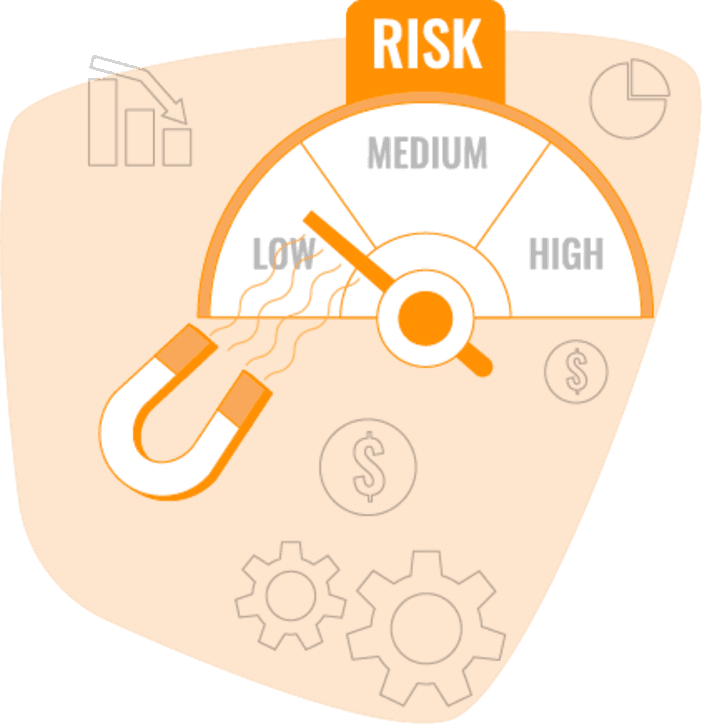
R&D Risk Mitigation
We merge specialized research with experimental testing to bridge the digital gap. By validating logistics solutions in a controlled environment before commercial scaling, we systematically reduce the risk of failure.
Venture Building
Data Gap
R&D Risk Mitigation
We merge specialized research with experimental testing to bridge the digital gap. By validating logistics solutions in a controlled environment before commercial scaling, we systematically reduce the risk of failure.
Venture Building
Data Gap
R&D Risk Mitigation
We merge specialized research with experimental testing to bridge the digital gap. By validating logistics solutions in a controlled environment before commercial scaling, we systematically reduce the risk of failure.
Venture Building
Data Gap
We test new ideas in the real world on a small scale, using feedback to solidify the proof of concept.
Step 1
Discovery
We analyze data and field insights to identify core challenges.
Step 1
Discovery
We analyze data and field insights to identify core challenges.
Step 1
Discovery
We analyze data and field insights to identify core challenges.
Step 2

Ideation
We develop targeted strategies to address those specific gaps.
Step 2
Ideation
We develop targeted strategies to address those specific gaps.
Step 2
Ideation
We develop targeted strategies to address those specific gaps.
Step 3
Prototyping
We build initial models to validate the concept's feasibility.
Step 3
Prototyping
We build initial models to validate the concept's feasibility.
Step 3
Prototyping
We build initial models to validate the concept's feasibility.
Step 4

Testing
We pilot the solution in real environments to gather user feedback.
Step 4
Testing
We pilot the solution in real environments to gather user feedback.
Step 4
Testing
We pilot the solution in real environments to gather user feedback.
Done 🎉

Launch
We refine the model based on results for a full-scale rollout.
Done 🎉
Launch
We refine the model based on results for a full-scale rollout.
Done 🎉
Launch
We refine the model based on results for a full-scale rollout.
Global Trade 2.0 represents the next evolution of international commerce, driven by digitalization, automation, and AI. By transforming traditional supply chains into smart networks, it enhances efficiency, transparency, and system integration. Data serves as the foundation for this shift, creating a more resilient, equitable, and sustainable trade ecosystem.
Global Trade 2.0 represents the next evolution of international commerce, driven by digitalization, automation, and AI. By transforming traditional supply chains into smart networks, it enhances efficiency, transparency, and system integration. Data serves as the foundation for this shift, creating a more resilient, equitable, and sustainable trade ecosystem.
Frequently Asked Questions
Frequently Asked Questions
How does M-Lab contribute to the Kingdom's Vision 2030 goals for the logistics sector?
M-Lab acts as a specialized R&D engine designed to localize global logistics innovations. By experimenting with disruptive business models in cross-border e-commerce, we directly support the National Transport and Logistics Strategy (NTLS) to position Saudi Arabia as a global logistics hub, focusing on reducing costs and increasing the speed of international trade.
What is the "Fail KPI" philosophy, and how does it protect investment capital?
How does M-Lab differentiate itself from traditional logistics incubators?
What is the scalability potential of the business models developed in the Lab?
How does M-Lab contribute to the Kingdom's Vision 2030 goals for the logistics sector?
M-Lab acts as a specialized R&D engine designed to localize global logistics innovations. By experimenting with disruptive business models in cross-border e-commerce, we directly support the National Transport and Logistics Strategy (NTLS) to position Saudi Arabia as a global logistics hub, focusing on reducing costs and increasing the speed of international trade.
What is the "Fail KPI" philosophy, and how does it protect investment capital?
How does M-Lab differentiate itself from traditional logistics incubators?
What is the scalability potential of the business models developed in the Lab?
How does M-Lab contribute to the Kingdom's Vision 2030 goals for the logistics sector?
M-Lab acts as a specialized R&D engine designed to localize global logistics innovations. By experimenting with disruptive business models in cross-border e-commerce, we directly support the National Transport and Logistics Strategy (NTLS) to position Saudi Arabia as a global logistics hub, focusing on reducing costs and increasing the speed of international trade.